
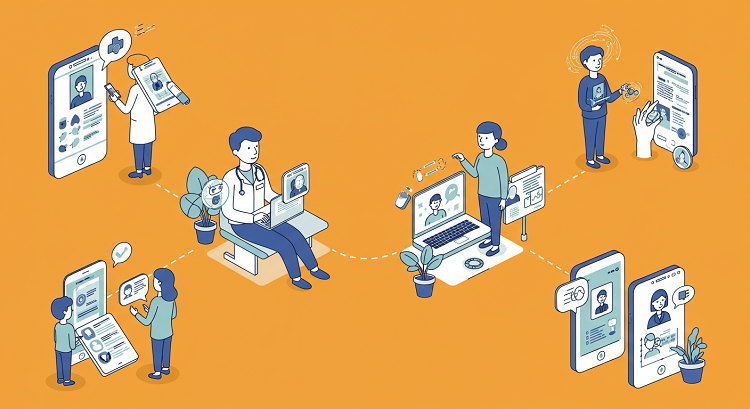

The healthcare experience is no longer confined to exam rooms and lab visits. Today’s digital tools are stepping in earlier, staying active longer, and offering support that reaches patients well beyond the clinic. Joe Kiani, Masimo and Willow Laboratories founder, understands this shift. His work in real-time health monitoring and patient-centered innovation reflects a broader move toward continuity of care powered by artificial intelligence. As systems adapt to deliver more than one-time advice, they are becoming guides that support decisions from onboarding through progress tracking and long-term engagement. Nutu™ is Willow Labs’ digital health platform built to deliver real-time, science-backed insights that help people make small, sustainable changes to help mitigate the risk factors for chronic conditions like Type 2 diabetes.
This development marks a turning point in how care is delivered, responsive, personalized, and embedded into daily life. By meeting patients where they are, these technologies transform healthcare from a series of isolated moments into a continuous, supportive journey.
A Continuous Loop of Insight
Artificial intelligence is helping reshape how patients are welcomed into care programs and how their progress is followed over time. Instead of collecting health history once and moving on, AI-enabled platforms use data inputs as part of an ongoing conversation.
From the moment a person logs into a health app or syncs a wearable device, the system starts building a model of their habits, goals, and responses. That feedback loop helps the care experience feel more like a partnership and less like a checklist.
Personalized Onboarding for Daily Life
Digital health platforms can use this insight to support new users with a clear, personalized introduction to their health goals. These tools reduce the friction that often accompanies new regimens by recommending manageable changes based on behavior and biometrics.
Rather than starting with generalized directions, users are guided through tasks that are relevant to their daily routines. It helps people engage with the program without feeling overwhelmed.
Progress That Adapts Over Time
Once the user is onboarded, AI keeps track of progress. It adjusts recommendations based on how users interact with the platform and how their bodies respond. For someone managing a chronic condition like diabetes, that might mean receiving new meal timing suggestions after a few days of elevated glucose levels.
For someone focused on improving sleep or weight, it could mean subtle changes in movement or hydration advice. These prompts respond to the individual rather than forcing the individual to adapt to the platform.
Keeping Users Engaged Between Visits
What makes this model more effective than traditional follow-up care is its consistency. Users don’t have to wait for their next appointment to understand whether they’re on track. They receive frequent nudges, some from machine learning systems, some from integrated coaching features, that help reinforce helpful behaviors. These systems also offer timely feedback, which can keep people motivated.
Small wins are acknowledged, and new goals are set based on progress, not guesswork. It reinforces motivation by showing that every step forward matters. It also ensures that goals remain realistic and personalized, adapting to everyone’s pace and needs.
Tools Designed for Daily Interaction
The application is built to support individuals throughout their diabetes prevention journey, collecting behavioral and metabolic data, integrating with smart devices, and offering ongoing coaching. Joe Kiani, founder of Masimo, remarks, “Our goal with Nutu is to put the power of health back into people’s hands by offering real-time, science-backed insights that make change not just possible but achievable.” This approach stands apart from one-size-fits-all solutions. Rather than focusing on symptoms alone, the system accounts for patterns that build over time. If someone experiences a series of restless nights, a drop in physical activity, or shifts in diet, the platform can recognize these trends and adjust the user’s support.
This level of context is what helps AI stand out as a tool for continuity. It’s not just capturing moments in time, but building a broader understanding of the patient’s life. By connecting behavioral patterns with physiological signals, AI creates a more complete picture of health. It allows for timely, personalized interventions that improve with the individual’s needs and habits.
Smarter Conversations with Care Teams
In practice, this also benefits clinicians. When digital tools provide structured summaries and visualizations of long-term data, healthcare providers can use those insights during appointments. It allows the conversation to center on trends and decisions rather than starting from scratch with every visit. It improves the quality of interaction and supports a more informed care strategy.
With better visibility into a patient’s journey, clinicians can tailor recommendations with greater precision and confidence. It not only streamlines the clinical workflow but also fosters a stronger, more collaborative relationship between providers and patients.
Promoting Autonomy and Daily Confidence
The same tools also support patient autonomy. By giving individuals access to their own metrics, guidance and decision-making tools, AI encourages a sense of ownership. Rather than passively receiving treatment instructions, users are prompted to experiment, adjust, and see results in real-time.
That level of interactivity can make the care journey feel less abstract and more engaging.
Consistency Without Complexity
One of the biggest challenges in chronic care management is consistency. Many people start strong but drift away from plans that don’t adapt to their reality. By keeping users engaged from onboarding through daily use, AI can play a steady, supportive role. It turns static routines into responsive systems, ones that meet people where they are and move with them as life changes.
Building with Ethics and Accessibility in Mind
Ethical design and responsible data practices remain essential. These platforms handle sensitive personal data and must do so with transparency, security, and respect. Ensuring that these tools are accessible across different populations and tech abilities is just as important. Platforms built with inclusivity in mind are more likely to provide meaningful support to the people who need it most.
A New Standard for Long-Term Support
His vision for digital health reflects this focus on everyday experience. By linking real-time insights to sustained behavior change, tools like Nutu are setting a new standard for how digital platforms support diabetes prevention and personalized lifestyle improvement. The emphasis isn’t just on data, but on usability, accessibility, and responsiveness.
As more users interact with AI in this way, the long-term results become clearer. It is a care model that starts earlier, adapts more often, and stays with the individual every step of the way. By closing the gap between clinical care and daily decisions, this model is redefining how we manage chronic conditions and empowering people to take control of their health with confidence.