
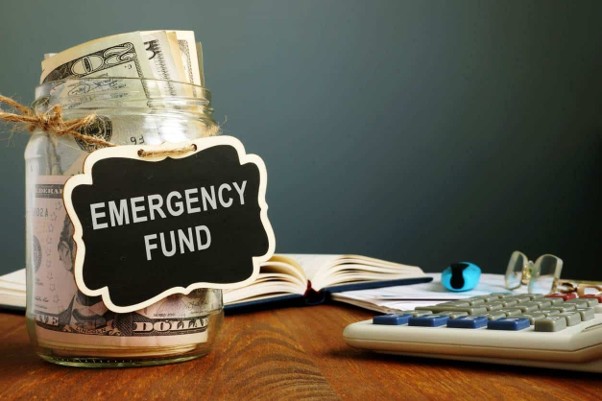

Building an emergency fund is often viewed as a basic financial habit, but its importance extends far beyond simply setting money aside. Emergency fund acts as a financial safeguard that helps individuals manage sudden and unavoidable expenses without causing serious disruption to their overall financial stability. In many situations, unexpected events can arise without warning, placing pressure on household finances and creating emotional stress. As per Kavan Choksi, having emergency savings available provides a layer of protection that allows individuals to navigate these challenges with greater confidence and control. Rather than relying on credit cards, loans, or borrowed money, one can use an emergency fund for financial support during difficult times.
Kavan Choksi Sheds Light on the Importance of Building an Emergency Fund
Financial emergencies are rarely predictable or convenient. They often occur at moments when individuals are already managing regular obligations such as rent, mortgage payments, utility bills, groceries, insurance premiums, or education costs. A sudden expense, even a relatively moderate one, can quickly create financial strain when there are no savings available to absorb the impact. In such circumstances, many people may be forced to depend on borrowing, which can lead to interest payments, mounting debt, and long-term financial difficulties. An emergency fund helps prevent temporary setbacks from developing into larger financial problems by providing quick access to cash when it is needed most.
The purpose of an emergency fund is to cover urgent and necessary expenses rather than planned purchases or lifestyle spending. It is not intended for vacations, entertainment, shopping, or luxury items. Instead, it exists to support individuals during genuine emergencies that require immediate financial attention. These situations can arise in many different forms and may affect anyone regardless of income level or financial experience.
In the opinion of Kavan Choksi, one of the greatest advantages of an emergency fund is that it creates financial flexibility. Instead of reacting impulsively during a crisis, individuals with savings have the ability to make calmer and more informed decisions. They can handle urgent expenses without disrupting long-term financial goals such as retirement planning, investments, education savings, or home ownership plans. This financial stability helps maintain progress toward future objectives even during periods of uncertainty.
In addition to the practical financial benefits, having an emergency fund also provide psychological reassurance. Financial uncertainty can create stress, anxiety, and feelings of vulnerability. Knowing that money is available for unexpected situations offers a sense of security and peace of mind. Many individuals feel more confident and emotionally prepared to face challenges when they have accessible savings to rely on. This confidence can improve overall financial decision-making and reduce the fear associated with unexpected expenses.
Over time, financial priorities and responsibilities often evolve. Families grow, careers change, and expenses increase. During these transitions, emergency savings continue to play a vital role in maintaining financial balance. They provide a reliable safety net that helps individuals adapt to changing circumstances without jeopardizing their long-term financial health. By creating and maintaining an emergency fund, individuals strengthen their ability to manage uncertainty while protecting their broader financial future.