
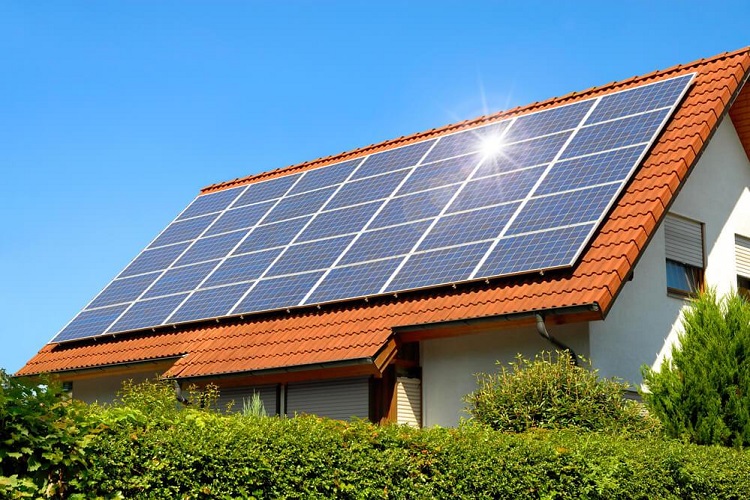

The expansion of residential solar in the United States depends not only on panels, financing, and policy but also on the systems that manage operations behind the scenes. As adoption grows, providers must coordinate more projects, more crews, and more regulatory requirements, all without sacrificing efficiency or customer trust. Freedom Forever Solar, a residential solar provider with a growing national footprint, is among the companies aligning with scalable artificial intelligence systems that make this growth possible. By embedding AI into operations, providers ensure that complexity does not become a barrier to progress.
Scalable AI systems are critical to meeting national clean energy goals. By enabling providers to manage larger project volumes with precision, these tools support faster deployment of solar capacity. As demand rises, the ability to scale operations efficiently is no longer optional. It is the foundation of a clean energy future.
The Challenge of Growth
Residential solar adoption is projected to increase sharply in the coming decade, driven by both policy incentives and consumer demand. This growth presents challenges. Providers must manage larger numbers of permits, inspections, and interconnections while coordinating field crews across diverse regions. Traditional systems, built for smaller project volumes, often struggle under this weight.
Without scalable solutions, bottlenecks emerge. Delayed approvals, misallocated crews, and fragmented communication create inefficiencies that slow progress and frustrate customers. For national clean energy targets to be met, providers need systems capable of scaling without compromising accuracy or reliability.
AI as the Enabler of Scalability
Artificial intelligence provides the tools necessary to manage this growth. By analyzing data in real time, AI systems automate workflows, predict potential delays, and optimize resource allocation. These capabilities allow providers to scale operations while maintaining consistency. As a result, solar companies can expand with confidence, knowing that efficiency and customer satisfaction remain aligned.
For example, AI platforms can process permit timelines across jurisdictions, predicting which applications are likely to face delays. Crews can then be assigned to regions where approvals are more efficient, reducing idle time. Similarly, predictive models anticipate equipment needs based on project volume, preventing shortages that could stall installations. By automating these tasks, AI reduces the burden on staff and ensures that growth is managed proactively rather than reactively.
Reducing Bottlenecks
One of the most significant benefits of scalable AI systems is their ability to reduce bottlenecks. Delays in permitting, inspections, or interconnection approvals have long been barriers to timely solar adoption. AI systems identify these risks early, allowing providers to adjust schedules and resources before backlogs occur.
For instance, if inspection demand is projected to exceed capacity in a certain region, AI platforms can forecast the slowdown and recommend redistributing projects. This foresight prevents localized delays from spreading through entire pipelines. Freedom Forever reviews often highlight the company’s commitment to efficiency and reliability. Scalable AI systems strengthen these qualities by ensuring that projects move forward smoothly, even as demand increases.
Improving Efficiency for Installers
For installers, scalability means managing more projects without sacrificing quality. AI systems help by automating scheduling, forecasting equipment needs, and optimizing crew assignments. When projects are managed efficiently, installers can focus on delivering high-quality installations rather than navigating administrative challenges.
This efficiency reduces downtime and increases capacity. Providers can complete more projects in the same timeframe, contributing directly to national clean energy goals by accelerating deployment. Faster installation cycles also mean homeowners begin realizing savings and energy independence sooner. On a scale, these improvements strengthen both market confidence and the long-term stability of the solar industry.
Supporting National Goals
The United States has set ambitious targets for clean energy capacity in the coming decades. Achieving these goals requires rapid expansion of residential solar, which in turn depends on operational scalability. Scalable AI systems provide the infrastructure to meet this demand. By enabling providers to manage large project volumes with accuracy, these systems reduce delays and accelerate adoption. This alignment between technology and policy ensures that growth targets are not only achievable but sustainable.
Customer Confidence Through Consistency
Scalability also benefits customers. Homeowners adopting solar expect reliability and transparency throughout the process. When providers can manage growth without sacrificing communication, customers gain confidence in their investment. AI systems ensure that updates are delivered consistently, timelines are accurate, and projects progress without unnecessary disruption. This reliability reduces cancellations and encourages referrals, both of which are essential to sustaining long-term growth. It also strengthens trust, showing homeowners that providers are committed to accountability at every step. Over time, this reputation for dependability becomes a competitive advantage in an expanding solar market.
Equity Through Scalable Systems
Equitable access to solar depends on consistency across regions. Delays and inefficiencies often create barriers to adoption in underserved communities. Scalable AI systems help reduce these disparities by ensuring that projects move forward at the same pace, regardless of geography. By standardizing workflows and automating communication, providers deliver the same level of service to all customers. This consistency strengthens equity and ensures that the benefits of clean energy are distributed more evenly.
Preparing for the Future
As adoption continues to rise, providers must prepare for even greater complexity. Larger project pipelines, more diverse regulatory requirements, and increased customer expectations will place additional demands on operations. Scalable AI systems provide the adaptability needed to meet these challenges. By learning from historical data and adjusting in real time, they ensure that workflows remain efficient even as conditions change. This adaptability positions providers for long-term success in a rapidly developing industry.
A Scalable Path Forward
The future of clean energy depends not only on policy and hardware but also on the systems that enable growth. Scalable AI platforms transform solar operations by automating workflows, reducing bottlenecks, and ensuring consistency across projects. Leaders in residential solar continue to benefit from AI systems that align with their emphasis on reliability and transparency. By prioritizing scalability, providers ensure that clean energy adoption keeps pace with national goals. As demand rises, scalability will determine which companies thrive. With AI as the enabler, the solar industry is building an infrastructure capable of supporting both rapid growth and long-term trust.