
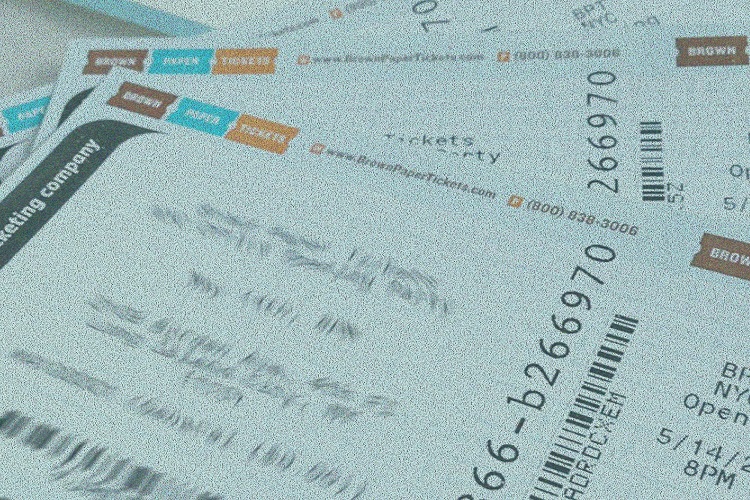

Planning a successful event means managing layers of logistics that often move faster than organizers can write them down. From budgeting and registration to real-time coordination and post-event wrap-up, today’s event planners are expected to juggle it all, often with small teams and limited time. As expectations grow, so does the demand for systems that streamline the process and provide clear guidance. Platforms like Brown Paper Tickets, a ticketing service offering digital tools for seamless and accessible event planning, help lay the groundwork by streamlining key tasks and allowing organizers to focus on experience over stress.
As event professionals work to balance creativity with logistical accuracy, integrated software tools have become indispensable partners. Platforms that unify scheduling, communication, task management and analytics empower planners to make smarter decisions faster. With automation handling repetitive tasks, like sending confirmations, tracking ticket sales or monitoring attendance, teams can redirect their energy toward crafting memorable moments and elevating guest engagement. The result is not just efficiency, but the ability to scale ambition, without scaling stress.
Laying the Groundwork Early
The most visible part of an event is usually what happens on the day. But most of the real work takes place well before the doors open. Organizers often start with venue research, budgeting, vendor coordination and early outreach, all before a single ticket is sold. For that to run smoothly, they need tools that simplify complex planning steps, rather than complicate them.
A platform that provides a single place for ticketing, audience communication and event updates can reduce the need for multiple systems or long email chains. Clean confirmations, intuitive dashboards and mobile-friendly links help attendees get what they need, with minimal back-and-forth. These tools establish a strong first impression, showing guests that their time and comfort are a priority.
Budgeting Without Surprises
Event budgets are rarely static. Costs shift as attendance grows, vendors revise estimates or new ideas enter the picture. That’s why tracking expenses in real time is essential, not just at the beginning, but throughout the planning process. Platforms that offer built-in revenue tracking, flexible ticket pricing and transparent payment timelines help organizers plan smarter. Having access to up-to-the-minute data supports better decisions about marketing, staffing and scope. When ticket sales lag or costs rise, planners can adjust quickly, instead of scrambling at the last minute.
Some event teams are also using tiered pricing models to build momentum early. Early-bird access, group discounts or donation-based ticketing can encourage action, while also helping planners gauge interest. Brown Paper Tickets supports this type of structure, enabling flexible pricing that meets audiences where they are, without locking organizers into rigid frameworks. This flexibility is crucial for nonprofit and community-driven events, where financial transparency is closely linked to accountability. Having a system that clearly tracks revenue and provides customizable features can be the key to an event’s success, rather than its failure.
Supporting the Flow of the Day
When the big day arrives, even the best-laid plans are put to the test. Entry lines form, speakers shift schedules and weather changes. For organizers, having tools that support real-time changes, without disrupting the experience, is crucial. Digital check-in tools, QR code access and live dashboards help event teams stay organized, without relying on manual lists or late-stage guesswork. These elements might not be visible to the guest, but they shape the tone of the day, one that feels calm, capable and responsive.
Smaller teams, in particular, benefit from tools that don’t require long training sessions or third-party tech support. Platforms like Brown Paper Tickets offer features like printable lists, mobile entry tools, and real-time ticket reports that work just as well for a 50-person workshop as they do for a 500-person fundraiser. This flexibility keeps the focus on people, not process. Attendees notice when events feel intentional. They arrive on time, follow signage, engage more fully and leave feeling that the experience was built with care. That perception starts with behind-the-scenes coordination, and the right tools help make it feel effortless.
Wrapping Up Without Dropping the Thread
A well-run event doesn’t end when the guests leave. The days immediately after are just as important, offering a chance to share outcomes, gather feedback and set the stage for what comes next. Post-event tools like email follow-ups, digital surveys and revenue reports allow organizers to close the loop. These materials also support long-term planning, helping planners understand what worked, what didn’t and where they might shift strategy next time.
Clear data supports transparency, especially for public events, grants or fundraisers. Attendees appreciate seeing the impact of their participation, whether that’s dollars raised, meals served or small businesses supported. This final communication often shapes whether they return the next time. It supports this post-event moment by giving organizers access to real-time results, data exports and integrated messaging tools. That kind of continuity matters, especially for events rooted in mission, or built on community trust.
Reducing Stress So Focus Can Stay on People
What makes an event memorable isn’t just the agenda. It’s how people feel while they are there. Whether they’re moving through a gallery space, sitting in a panel or connecting over a shared cause, guests notice when events are welcoming and well-paced. Creating that kind of experience becomes challenging when planners are bogged down by spreadsheet troubles or last-minute communication issues. Event platforms ease technical hurdles, allowing teams to focus on the human side of their work.
When systems run quietly in the background, organizers can spend more time greeting guests, guiding volunteers or stepping in, when needed. That presence makes a difference, especially in events where personal connection is the core reason for gathering. Tools don’t have to be complicated to be helpful. They just have to work. Platforms that center accessibility and ease of use make it possible for organizers to plan with confidence and focus on what really matters.
Keeping Things Simple in a Complex World
Event planning is rarely easy, but it doesn’t have to feel chaotic. With thoughtful tools and clear systems, even complex gatherings can run with intention. The right support reduces stress, improves communication and frees up bandwidth for the kind of work only people can do. Whether it’s a one-night benefit or a multi-day conference, events are stronger when planners can focus on people, instead of process. Services that support this kind of clarity, from budgeting to closeout, are becoming essential, not optional. Brown Paper Tickets supports this shift by making technology more available to organizers who need flexible, low-barrier solutions. It’s a reminder that simplicity, when paired with purpose, is one of the most effective tools in the planner’s kit.