

Spinal surgery aims to restore function, relieve pain and improve quality of life, but in some cases, patients may need a second procedure to correct or replace an implant that didn’t perform as expected. Revision surgery can be physically and emotionally taxing, with longer recovery times and increased risk. Dr. Larry Davidson, a specialist in the field, underscores that 3D-printed spinal implants are helping reduce the need for revision procedures by offering a more accurate, stable, and personalized fit.
Unlike traditional spinal hardware, 3D-printed implants are designed specifically for each patient, using their anatomy as a guide. This tailored approach has been shown to reduce complications that often lead to secondary surgeries, such as implant loosening, poor integration, or misalignment.
Understanding the Causes of Revision Surgery
Revision of spinal surgery typically becomes necessary when an implant fails to achieve its intended results. It could mean mechanical failure, infection, improper placement, or failure to fuse with the surrounding bone. In some cases, implants may not fit the patient’s anatomy well enough, leading to chronic discomfort or instability that worsens over time.
Other contributors to revision include stress on adjacent vertebrae, improper load distribution or wear and tear on surrounding structures due to implant mismatch. When the implant doesn’t integrate or align correctly, it may shift or deteriorate, prompting the need for corrective surgery.
Limitations of Standard Spinal Implants
Standard spinal implants are mass-produced in a range of sizes and shapes to suit the general population. During the procedure, surgeons select from a pre-set inventory and choose the option that closest matches the patient’s spine. In most straightforward cases, this approach is effective.
But in patients with complex anatomy, such as those with scoliosis, prior to surgeries or bone deformities, standard implants may fall short. An imperfect fit can lead to small gaps between the implant and bone, pressure on nerves or soft tissue, or inconsistent load-bearing.
These issues may not be apparent right away, but over time, they can cause the implant to fail or the patient to experience unresolved symptoms. The reliance on intraoperative adjustments with standard implants can also add time to surgery, increase stress on surrounding tissue, and complicate recovery.
How 3D-Printed Implants Improve Fit and Stability
One of the primary advantages of 3D-printed implants is their ability to conform to a patient’s unique spinal architecture. These implants are created using detailed imaging, typically from CT or MRI scans, that captures the specific dimensions and contours of the patient’s vertebrae.
From these scans, a custom implant is digitally modeled and then manufactured using additive techniques that build the implant layer by layer. This process enables complex shapes that match the spine precisely, reducing the risk of shifting, instability, or pressure imbalances.
The better the initial fit, the less strain there is on surrounding tissues and hardware. When implants match the anatomical needs of the patient from the start, the surgery is less invasive, recovery is smoother, and the chance of long-term issues drops significantly.
Enhanced Bone Integration and Long-Term Support
Another key factor in preventing revision surgery is how well the implant integrates with the patient’s natural bone. Traditional implants are typically solid and smooth, which can delay or inhibit the natural fusion process. Poor fusion often leads to instability and, eventually, revision.
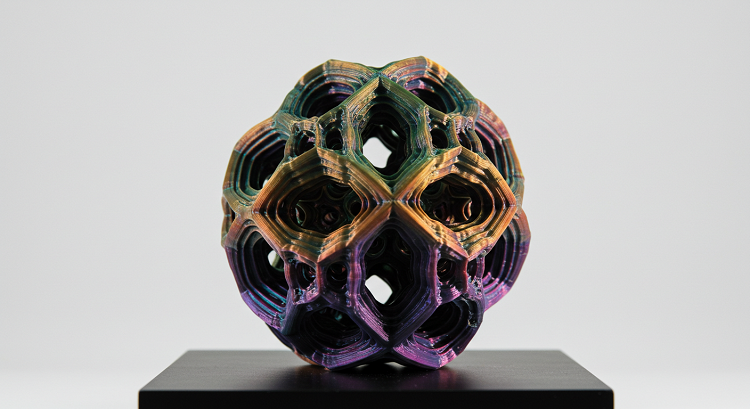
Many 3D-printed implants are designed with porous surfaces or lattice structures that encourage bone ingrowth. These surface textures allow the patient’s bone to grow into the implant over time, forming a more secure and durable bond. This biological integration creates a unified structure that moves and functions more like a natural part of the spine.
The added benefit is not just mechanical strength. It’s long-term reliability. Implants that encourage natural bone fusion are less likely to loosen or require repositioning, making them a powerful tool for reducing post-operative complications.
Reducing Surgical Complications and Implant Failure
3D-printed implants also support shorter surgical times and fewer complications during the procedure. Because they are designed in advance using patient-specific data, there is less need for on-the-spot adjustments. Surgeons know where the implant can fit, how it can interact with the surrounding structures, and what size and angle are optimal.
This level of planning minimizes the chances of accidental tissue damage, blood loss, or extended anesthesia. For patients with existing comorbidities or compromised bone quality, this kind of precision is critical in reducing the risk of surgical failure. By helping surgeons work more efficiently and predictably, 3D-printed implants contribute to better procedural outcomes, which directly impact the long-term success of the surgery and the likelihood of revision.
Implant fit and bone fusion are central to lasting success in spinal procedures. Dr. Larry Davidson points out, “Personalizing treatment based on each patient’s unique anatomy and fracture pattern allows us to deliver better results and reduce the risk of complications.” It aligns with the advantages of 3D-printed implants, tools that are not just technically advanced but purpose-built to work with the patient’s body rather than against it.
Real-World Applications and Patient Outcomes
The success of 3D-printed implants is not limited to theory. Hospitals and surgical centers that have adopted this technology report lower revision rates in eligible patients, including individuals with spinal deformities, tumor-related bone loss, or failed prior fusions.
In one case, a patient with severe spinal curvature who had undergone multiple surgeries finally received a custom 3D-printed implant that restored alignment and reduced pain without further complications. Stories like these are becoming more common as more surgeons gain access to imaging and manufacturing tools that support personalization. Insurance companies and regulatory agencies are also beginning to take note. While not all custom implants are fully covered yet, the growing body of data showing reduced readmissions and better long-term outcomes may support broader adoption and reimbursement.
3D-printed spinal implants represent a major advancement in reducing the risk of revision surgery. By offering a personalized fit, encouraging natural bone growth and supporting precise surgical planning, these implants provide patients with a better chance at lasting relief and improved function. Unlike standard hardware, which may require compromise and adaptation, custom implants built through 3D printing meet the patient’s anatomy where it is. With specialists championing these techniques, spinal surgery is moving toward a future where fewer patients need to return to the operating room and more can move forward confidently after their first procedure.